A comprehensive guide to Act No. 215/2026 Coll.: key rules effective December 1, 2026, 5 inspector powers, 30-day deadlines, and the 2027 to 2028 reforms.
Yes. Building Act Amendment No. 215/2026 Coll., published in the Collection of Laws on November 18, 2026, introduces legislative changes gradually across three distinct milestones. The first stage takes effect on December 1, 2026, the majority of procedural changes enter into force on January 1, 2027, and the newly established regional network of building authorities is scheduled to launch on January 1, 2028.
For property owners, builders, developers, and investors, this represents the most consequential reform of Czech construction law in years. Act No. 215/2026 Coll. does not merely amend Building Act No. 283/2021 Coll. itself, but also impacts nearly sixty related statutory regulations. The core objective of this reform is to deliver more predictable project assessments, accelerate construction completions, and eliminate scenarios where identical matters are reviewed repeatedly.
What Authorized Inspectors Can Do Starting December 1, 2026
The initial wave of changes with advanced effectiveness on December 1, 2026, most prominently impacts authorized inspectors. Upon request from a builder or property owner, authorized inspectors may perform designated statutory acts directly in place of the building authority. This procedural shift can significantly reduce waiting times when finalizing construction or rectifying missing project documentation.
In daily practice, it is vital to understand where an inspector's jurisdiction begins and ends. An authorized inspector does not assume blanket jurisdiction over all building permits, nor do they replace the building authority for every development intent. For each of the five statutory acts specified by law, strict preconditions must be satisfied. The scope of these powers is detailed in official guidance from the Ministry of Regional Development (MMR) and confirmed by methodological documentation issued by the Czech Chamber of Architects (ČKA). Before engaging an authorized inspector, always verify whether your specific construction project or change of use fulfills all legal criteria.
Major Permitting Changes Effective January 1, 2027
The second and most comprehensive phase of the amendment introduces procedural rules designed to eliminate the most persistent bottlenecks in building proceedings. For investment models and construction timelines, four procedural milestones are essential.
More Predictable Review of Applications as of Filing Date
A proposed project's compliance with applicable statutory regulations is generally evaluated according to the legal framework in force on the filing date of the application. If related regulations shift while proceedings are underway, ongoing projects will no longer be derailed automatically. Furthermore, before any potential rejection of an application, authorities are required to disclose their reservations in advance, allowing the builder an opportunity to respond or cure deficiencies.
An End to Repeated Scrutiny of Resolved Issues
The amendment reinforces the fundamental principle of procedural economy. Building authorities are barred from reopening questions in subsequent permitting phases that were already bindingly resolved in preceding steps of the proceedings. This substantially mitigates the risk of contradictory official requirements and unnecessary iterations of project documentation.
Fixed 30-Day Deadline for Utility and Infrastructure Operators
One of the most frequent sources of project delays has been waiting for official statements from owners and operators of public transport and technical infrastructure. In statutory cases, a standard deadline of 30 days now applies. If an infrastructure operator fails to issue an opinion within this timeframe, the expiration of the deadline can trigger a legal fiction of unconditional approval.
Streamlined Permitting in Developable Areas
Where a municipality has approved a master zoning plan defining permissible building types within designated developable areas, compliance does not need to be relitigated during project-level permitting. Architects, engineers, and investors gain a much more direct trajectory from land acquisition to final building permit.

Changes to Building Categories: Minor and Simple Buildings
The amendment updates the annexes to the Building Act, broadening the scope of minor buildings exempt from permits as well as simple buildings. This adjustment directly governs whether a planned project requires a formal permit at all, the extent of project documentation you must supply, and whether a final occupancy permit is mandated upon completion.
Transitional provisions are equally critical. If you have active proceedings initiated before December 1, 2026, consult your lead architect or engineer to confirm which procedural regime governs your case and whether updated building classifications allow for simplified completion or occupancy.
Read also
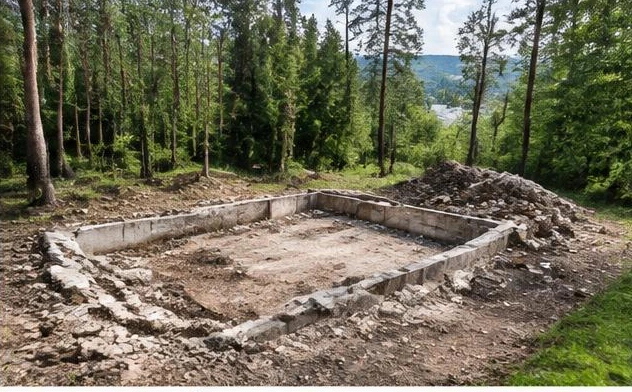
Demolished Cottage Is Not a Renovation: Landmark Court Ruling Redefines Rules for New Builds, Holiday Homes and Family Houses
Phased Reorganization of Building Authorities in 2027 and 2028
Alongside substantive construction rules, Act No. 215/2026 Coll. restructures building administration. Initial institutional steps begin on January 1, 2027, with the establishment of the central Spatial Development Office of the Czech Republic, consolidating specialized bodies including the Transport and Energy Building Authority.
Municipal building authorities continue operating throughout the transitional year of 2027. The unified regional system of building authorities with local territorial branches takes full effect on January 1, 2028. The goal of this structural consolidation is to eliminate disparate legal interpretations across hundreds of municipal offices, fostering a dependable environment for residential, commercial, and infrastructure investments.
Quick comparison: current practice versus Amendment No. 215/2026 Coll.
An executive overview of six systemic shifts governing project preparation times, developer legal certainty, and real estate asset liquidity.
| Legal Area | Current Practice | Amendment No. 215/2026 Coll. |
|---|---|---|
| Temporal assessment of applications | Regulatory shifts during review could force active projects back to redesign stages | Project compliance is generally determined by regulations in force on filing date |
| Repeated assessment of issues | Authorities frequently revisited aspects of projects already settled in prior stages | Authorities are barred from reopening questions resolved in preceding permitting stages |
| Infrastructure operator statements | Protracted waits for technical network reviews delayed investments by months | A 30-day statutory deadline applies, where silence can constitute unconditional approval |
| Developable land and zoning plans | Builders repeatedly proved compliance of building types against approved zoning plans | Compliance of building type is taken as settled if already determined by the zoning plan |
| Minor and simple building categories | Narrow criteria mandated formal approvals even for minor ancillary structures | Expanded categories of permit-exempt minor buildings and simple buildings reduce filings |
| Structure of building administration | Fragmented execution across hundreds of local offices with conflicting interpretations | Phased migration from 2027 and a fully operational regional system by January 1, 2028 |
What the amendment means in practice for owners, developers, and investors
- Apartment building owners
- Building passport verification and occupancy approvals via authorized inspectors expedite asset sales, attic conversions, and unit subdivisions.
- Developers and land owners
- Assessments fixed as of filing date, simplified developable land regimes, and 30-day utility limits increase financial and timeline predictability.
- Commercial, retail, and logistics assets
- Accelerated changes of use without structural modifications and rapid early occupancy approvals facilitate tenant turnover and faster cash flow.
- Single-family home and leisure property owners
- Expanded minor and simple building thresholds simplify renovations and extensions, while expedited passports aid pre-sale preparations.
Frequently asked questions about Building Act Amendment 215/2026 Coll.
When exactly does Building Act Amendment No. 215/2026 Coll. take effect?
Implementation is structured into three phases. The first part, including new powers for authorized inspectors, takes effect on December 1, 2026, the primary procedural reforms apply from January 1, 2027, and the unified regional authority structure launches on January 1, 2028.
Can an authorized inspector permit all buildings instead of the authority from December 1, 2026?
No. An authorized inspector does not assume general permitting jurisdiction over all projects. The law delegates specific defined acts, such as occupancy permits, trial operations, early occupancy, expedited use changes without structural work, demolition of selected simple buildings, or building passport verifications, provided statutory conditions are met.
What happens if a utility operator fails to issue an opinion within 30 days?
In statutory cases, a baseline deadline of 30 days governs statements from transport and technical infrastructure operators. The unheeded expiration of this period can result in a legal fiction of unconditional approval, curbing excessive project delays.
Under which legal regulations will the authority evaluate an already submitted application?
The amendment enhances legal certainty by establishing that project compliance with statutory provisions is evaluated according to the state of law on the filing date. Authorities are also prohibited from reopening issues resolved in earlier procedural stages.
Does the amendment alter rules for permit-exempt minor buildings and building passports?
Yes. The amendment revises building classifications and broadens categories for permit-exempt minor buildings and simple structures, affecting documentation scope and occupancy review. Starting December 1, 2026, authorized inspectors can also formally verify building passports.
When will municipal building offices cease operating and the regional system begin?
Reorganization unfolds in stages. Initial administrative measures start on January 1, 2027, with the formation of the central Spatial Development Office, but the regional network of building authorities becomes fully operational on January 1, 2028.
Related strategic guides for owners and investors: Developer Partnerships · Prague Apartment Buildings · Private Investor Network · Off-Market Property Sales.
How to Prepare as a Property Owner, Developer, or Investor
Whether you own an apartment building, lead a development project, or plan to divest a commercial or logistics asset, passive waiting is costly. Well before December 1, 2026, review the status of your existing documentation, checking whether older properties are missing occupancy permits or verified building passports. Incomplete archival records remain one of the most common causes of buyer price concessions or transaction delays during commercial due diligence.
For pipeline development sites and land deals, ensure submission milestones align strategically with the phased implementation dates of the amendment beginning January 1, 2027. Clear permitting status, predictable utility response deadlines, and clean legal titles directly enhance investor confidence and maximize project valuation.

Complimentary personal consultation
Facing a similar situation? Let's discuss it.
Every property and every sale is different. Write me a few lines and I will suggest a concrete next step.
- I reply personally, never an assistant or call centre
- Discretion and confidentiality from the first word
- Concrete recommendations instead of generic advice

Author
Maria Kopřivová
Strategic investment real estate partner for Prague and Costa Rica. Specializes in off-market apartment building sales and development projects in Guanacaste. Background at the Embassy of the Republic of Costa Rica in Prague, quoted by ČTK, e15, and Newstream.cz.