Costa Rica is a dream for many foreign investors: a stable democracy, thriving real estate market, breathtaking biodiversity, and a safe environment for…
Are you considering buying land or developing a project in Costa Rica and want to ensure that your investment is completely secure and fully compliant with the law?
For many international investors, Costa Rica is a dream come true. It offers a stable environment, a robust democracy, extraordinary natural wealth, and a dynamically growing real estate market. At the same time, it is essential to understand that the notion of buying cheap land and building a villa, family home, or bungalow resort without strictly respecting Costa Rican laws and environmental protection leads to a very rude awakening.
As a private real estate specialist with personal roots in Costa Rica and professional experience from the Embassy of the Republic of Costa Rica in Prague, I regularly encounter investors who underestimate local regulations. On this page, through a specific recent case, I will show you why informal shortcuts do not work in Costa Rica, how uncompromisingly the local justice system enforces the law, and how to proceed so that your investment rests on a solid, fully legal foundation.
WHO THIS ARTICLE IS FOR
This information is particularly valuable for investors who:
- are considering buying land, a villa, an apartment, or development land in Costa Rica
- plan residential or commercial construction in attractive coastal and natural locations
- have received an offer for a "bargain" plot that currently lacks legally binding building and environmental permits
- rely on recommendations from intermediaries who promise that any discrepancies can be resolved after the fact
- want to invest prudently, protect their capital, and avoid catastrophic legal and financial losses.
A RECENT CASE: ILLEGAL CONSTRUCTION IN A PROTECTED FOREST
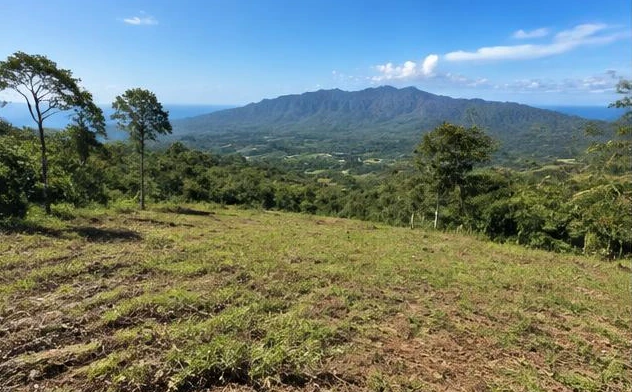
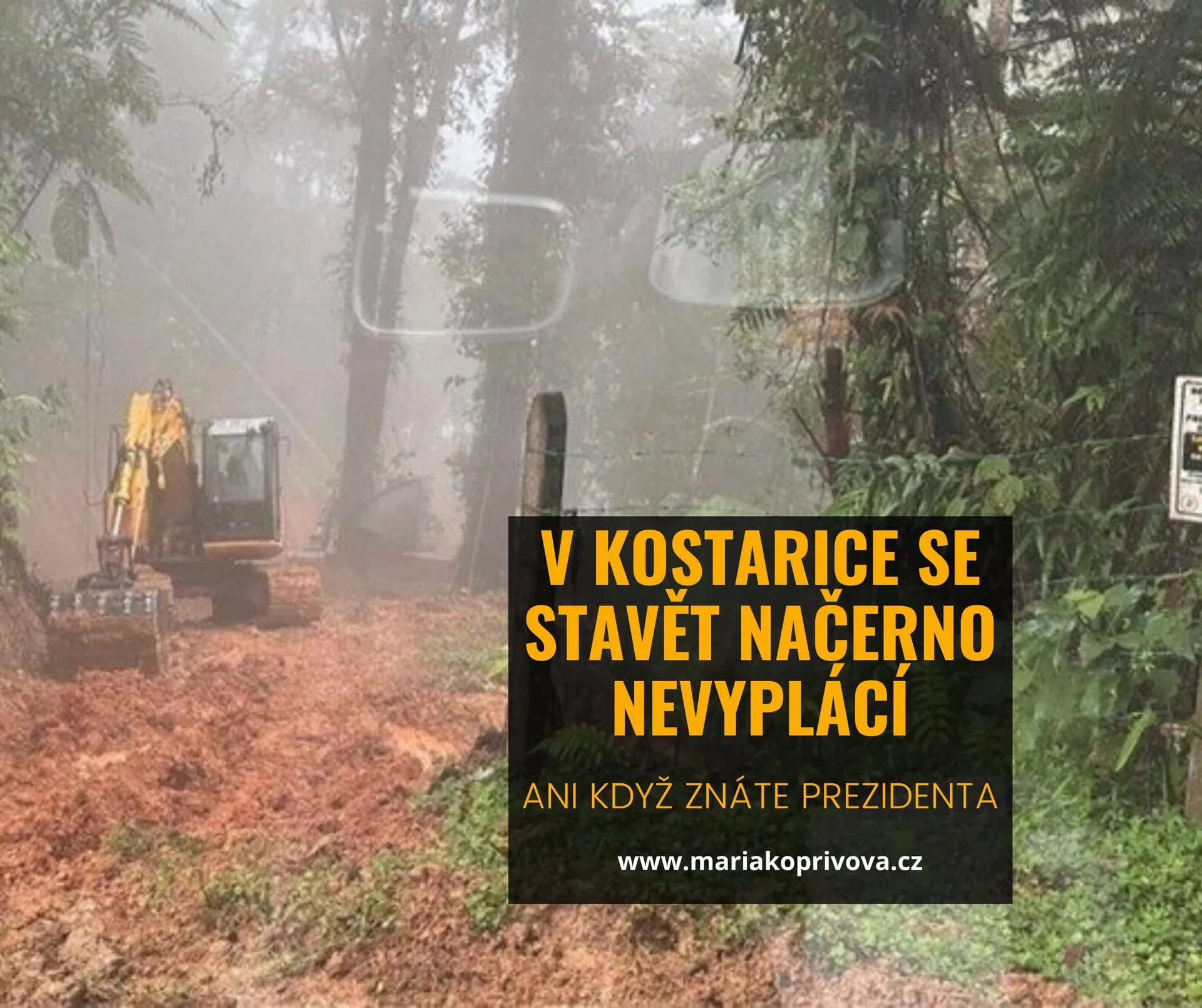
Here in Costa Rica, a case that serves as a textbook example of a naive and high-risk investment strategy has attracted extraordinary attention. The project named "Amanecer de Portalón" was intended to be a luxury residential development in the Portalón de Savegre area, located in the canton of Quepos in the Puntarenas province on Costa Rica's Pacific coast.
This area lies between the world-famous Manuel Antonio National Park and Marino Ballena National Park. It is a highly sought-after, yet strictly protected territory with unique biodiversity and clearly defined nature conservation rules. It was precisely here that the developer collided with harsh legal reality.
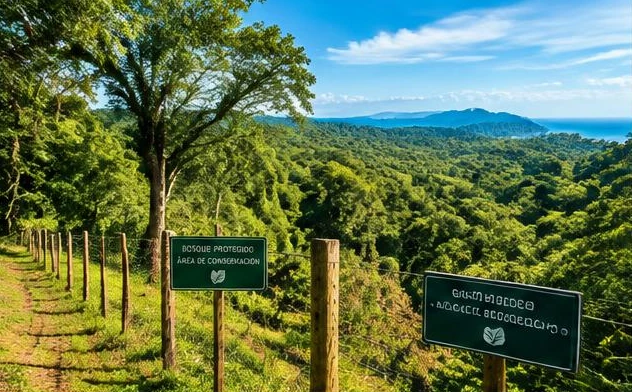
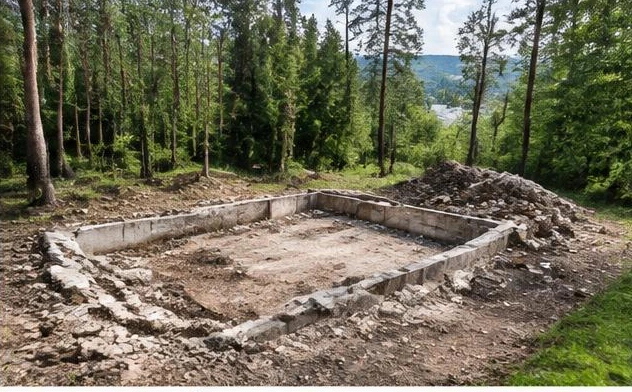
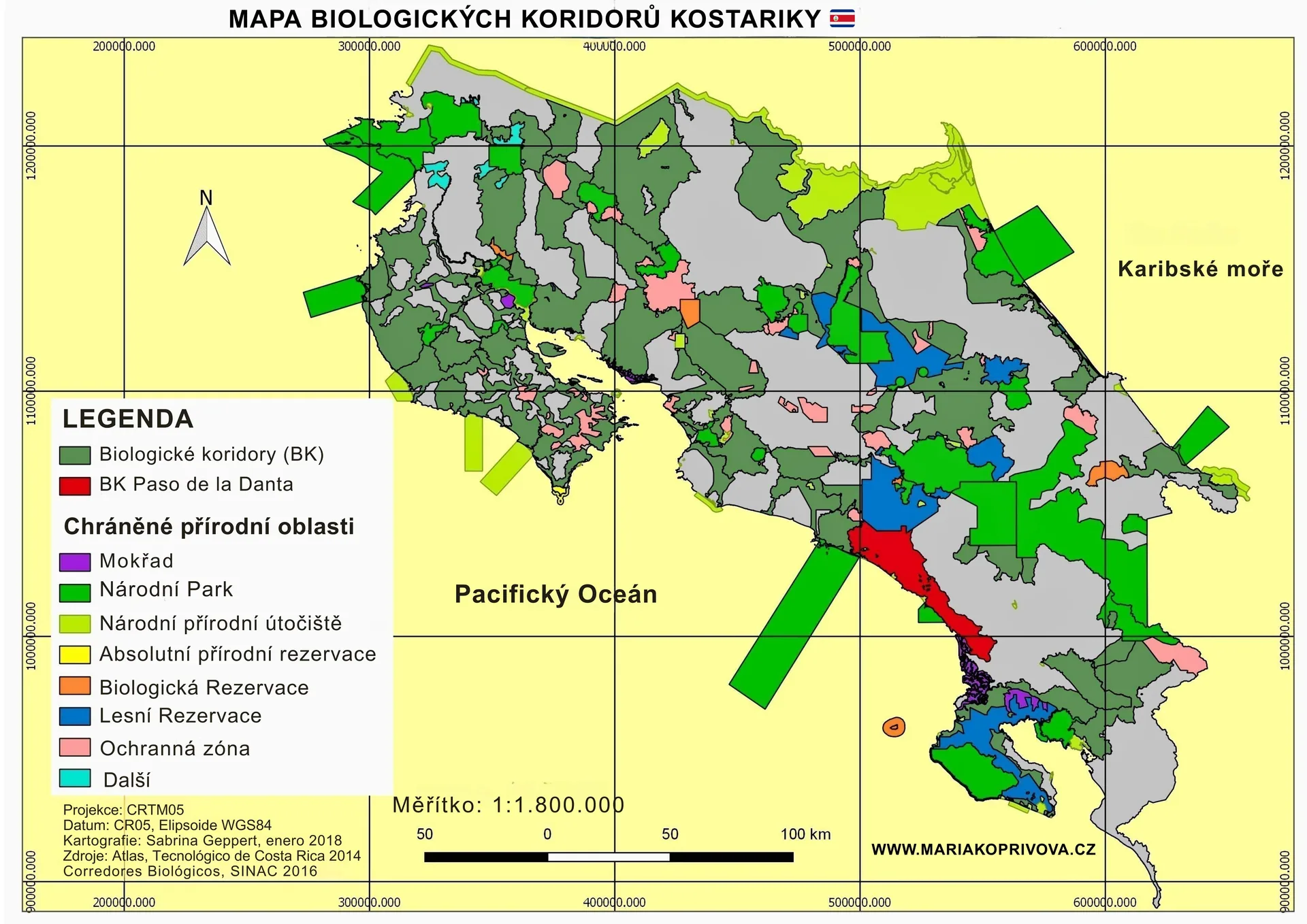
Construction work on this residential project took place directly within a protected forest that forms part of the Paso La Danta biological corridor. This area is of vital importance for preserving Costa Rican flora and fauna and enjoys the strictest statutory protection. Nevertheless, the investor claimed to the authorities that it was a standard building plot designated for development.
The case also involves businessman Christian Arce Carranza, one of the most prominent campaign contributors to Costa Rica's current president, Rodrigo Chaves. In 2022, this businessman supported the presidential campaign with 231 million Costa Rican colones, equivalent to approximately 8,085,000 Czech korunas.
Yet even such close ties to the head of state could not prevent intervention by regulatory bodies and the judiciary. The Costa Rican court system once again demonstrated its absolute independence from political pressure.
Following a thorough investigation by the Environmental Prosecutor's Office (Fiscalía Ambiental de Osa), the Quepos court ordered an immediate halt to the project. Furthermore, it ordered the company to immediately remove all structures built over the stream bed, restore the original natural protection zones, and carry out extensive soil stabilization work to prevent landslides.
This case dates from May 2025 and is currently being investigated under case file number 24-000079-1111-PE. The criminal proceedings do not involve minor building infractions; they encompass a series of exceptionally serious charges.
LIST OF CHARGES BROUGHT AGAINST THE DEVELOPER
As part of the judicial proceedings, the investor faces numerous offenses:
- Illegal land-use change
- Illegal logging
- Unauthorized exploitation of forestry resources
- Unauthorized appropriation of water resources
- Destruction of vegetation within a protected zone
- Extraction of minerals and materials within a protection buffer
- Unauthorized encroachment into a protected area
- Falsedad ideológica, meaning ideological falsification of official documents intended to mislead state authorities.

Read also
WHO CAN AFFORD AN AVERAGE-SIZED NEW 3+KK APARTMENT IN PRAGUE TODAY?
NEITHER MONEY NOR POLITICAL CONNECTIONS GRANT EXEMPTIONS IN COSTA RICA
The case described above is not an isolated one. In recent years, we have seen numerous attempts by both foreign and domestic investors to bypass current rules in the belief that personal contacts or substantial financial capital will resolve any issue. The reality, however, is relentless. Such attempts usually end the same way: an overnight stop-work order, the launch of criminal prosecution, massive financial losses, and the obligation to restore the land to its original condition at the owner's own expense.
Costa Rica functions as a presidential democracy. The president heads the executive branch, holds broad powers, and serves as the actual head of government, rather than occupying a purely ceremonial office. Even so, the Costa Rican judiciary repeatedly proves that it does not hesitate to take action against the highest political officials.
In the past, Costa Rican courts have ordered the arrest and prosecution of several former presidents of the republic as soon as their involvement in corrupt practices or abuse of power came to light. This historical precedent clearly confirms that no political connections will guarantee impunity.
THE RISK OF BLIND TRUST AMONG COMPATRIOTS
A serious pitfall when buying real estate abroad is uncritical trust among compatriots. In Costa Rica, we have observed many instances where experienced foreign operators, often investors from the United States, lured their own fellow citizens into projects promising extraordinary returns. In practice, however, these were often parcels lacking zoning and building permits, land located in protected zones, or proposals that authorities had never approved.
This approach does not affect only American investors. Canadians, Europeans, and other groups of buyers also encounter it when falling into the mistaken assumption that a compatriot speaking the same language has verified every requirement.
Relying solely on shared national origin can be a fatal mistake. In the context of the Costa Rican legal framework, with its uncompromising focus on environmental rules, such gullibility leads to the loss of invested capital.
Costa Rican reality applies to everyone without exception. You must respect the country's laws regardless of where you come from. If you break them, the legal system will act very swiftly.
"Costa Rica is a gorgeous country with immense investment potential, but it has strict rules. Neither the highest political connections nor deep pockets will protect you from the law if you build at the expense of protected nature. In Costa Rica, the law takes precedence over connections."
Maria Kopřivová
PRACTICAL RULES FOR A SAFE INVESTMENT IN COSTA RICA
If you plan to purchase property in Costa Rica for living, vacationing, or capital appreciation, approach the entire process with the same level of care as you would in Europe:
- Strictly comply with Costa Rican legislation. Local building and administrative regulations have specific requirements. Ignorance of legislative mandates will not protect you from penalties.
- Remember that nature is not for sale. Environmental regulations in Costa Rica are among the strictest in the world. The protection of forests, water sources, and wildlife corridors is an absolute priority for public institutions and citizens alike.
- Work exclusively with licensed professionals. Avoid informal arrangements with people who promise quick fixes. Cooperate with proven local attorneys, chartered engineers, and specialists experienced in spatial planning regulations.
- Reject apparent shortcuts. Building without a complete set of permits will always backfire. In a milder scenario, you will lose the invested funds; in a worse scenario, you will face criminal prosecution.
Just as in Europe, you must have all binding approvals from public authorities in hand before breaking ground for the first time in Costa Rica. A major difference is that a substantial portion of the country's land falls under special conservation status. Buying a plot and beginning construction without verifying the parcel's actual legal designation is simply impossible here.
Read also related articles:
- Investment Properties in Costa Rica: Choose with an Investor's Eye, Not Just Personal Preferences
- What You Should Know When Buying Land in Costa Rica
- Forestry Law No. 7575: Key Rules Foreign Investors in Costa Rican Land and Real Estate Must Know
- Sale of Apartment Buildings in Prague: Off-Market Listings as the Key to Success in the Real Estate Market
ARE YOU PLANNING A REAL ESTATE INVESTMENT IN COSTA RICA?
Do you want to enter the Costa Rican market safely, transparently, and with full respect for local laws? I will be glad to help structure your entire investment so that your capital is protected to the maximum degree:
- I will verify the legal status of the land, environmental zoning, and the existence of all necessary permits
- I will arrange collaboration with reputable local law firms and planning engineers
- I will help you select a stable investment property, residential villa, or land plot for development.
Simply complete the short form right below this article or call me directly. Together, we will review your plans and schedule a no-obligation consultation.

Complimentary personal consultation
Considering Costa Rica? Let's talk plans.
I help separate the dream from a sound investment: locations, numbers and the legal side, openly.
- I reply personally, never an assistant or call centre
- Discretion and confidentiality from the first word
- Concrete recommendations instead of generic advice

Author
Maria Kopřivová
Real Estate Investment Partner. Prague and Costa Rica, off-market transactions and investment property.